
RIGS Half Day Member Meeting
September 19 @ 12:00 pm - 3:30 pm
Free – $5.00
RIGS Half Day Member Meeting
Saturday, September 19, 2026, 12:00 pm to 3:30 pm
Virtually on Zoom
Registration Required
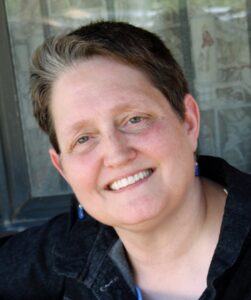
Join us online for our fall virtual meeting featuring Jean Wilcox Hibben
Schedule:
• 12:00 PM – Social Time
• 12:30 PM – News & Announcements
• 12:45 PM – Featured Speaker: Jean Wilcox Hibben
• 12:00 PM – Social Time
• 12:30 PM – News & Announcements
• 12:45 PM – Featured Speaker: Jean Wilcox Hibben
Jean Wilcox Hibben; PhD, MA, former So. Cal. college speech professor (MA – Speech Communication; PhD – Folklore), is a national speaker and author. A member of the DAR, she is the former director and current family history consultant for the Corona, CA FamilySearch Center, has worked on background research for two genealogy television programs, and was a host for podcasts on social history. A former Board-Certified genealogist with over 45 years of research experience, she is a former board member of APG and past president of its So. Cal. Chapter; 1st Vice-president of the Corona Genealogical Society, as well as webmaster for that same organization; and participant on a number of other society boards. Jean writes the “Aunty Jeff” column for the Informer, the newsletter of the Jefferson County NY Genealogical Society. Her website: circlemending.org.
Featured Presentations:
Farms & Farming: The History of Rhode Island Agriculture
As with most colonies in the New World, Rhode Island had to be tamed so folks could survive. One of the most important endeavors was the planting and cultivating food. But unlike in a number of other communities, many large farms in Rhode Island used the labor of Native and/or African Americans. With the changes in the country, politically and economically, the business of agriculture had to adjust, too. Finding agriculturist ancestors is assisted by the records and documentation of the farmers and their families throughout the years.
Does Your Brick Wall have Barbed Wire on Top? Institutions and the State
The first “state prison” in Rhode Island was established in 1838, but earlier methods of handling scofflaws were handled on the local level. But folks who were unable to function in society, either because of their own issues or problems with their family situations, would be housed in “appropriate” locations, away from the respectable citizens of the community. Ancestors might be found in mental institutions, orphanages, poor houses, asylums, sanitoriums, sanitariums, boarding schools, veterans’ homes, and any place where they, and/or the public, would be safe. The Census Schedules for such locations are handled somewhat differently. Here we look at how forebears might be found, in Rhode Island and in other locations in the US.
The first “state prison” in Rhode Island was established in 1838, but earlier methods of handling scofflaws were handled on the local level. But folks who were unable to function in society, either because of their own issues or problems with their family situations, would be housed in “appropriate” locations, away from the respectable citizens of the community. Ancestors might be found in mental institutions, orphanages, poor houses, asylums, sanitoriums, sanitariums, boarding schools, veterans’ homes, and any place where they, and/or the public, would be safe. The Census Schedules for such locations are handled somewhat differently. Here we look at how forebears might be found, in Rhode Island and in other locations in the US.
Hybrid and Virtual Meetings are recorded and available to RIGS members on our website. Join RIGS today to access recordings of past meetings!